DD Council


The Washington State Developmental Disabilities Council’s 2027–2031 State Plan guides our work to improve opportunities, increase access to community-based supports, strengthen self-determination and improve quality of life for people with developmental disabilities and their families. The plan is organized around three core functions: Advocacy, Systems Change and Capacity Building. Its goals and priorities were shaped through a statewide Community Survey, public comment, community meetings and a comprehensive review of the services, supports and systems affecting people with developmental disabilities and their families.
The Council’s goals and strategies are designed to address these priorities through collaboration with people with developmental disabilities, families, partner organizations, state agencies and community organizations, while promoting lasting improvements to policies, practices and systems.
The 2027–2031 State Plan is available in several formats. Choose the version that works best for you, from the complete plan to shorter and plain-language options.
The State Plan organizes the Council’s work around three core goals: Advocacy, Systems Change and Capacity Building. Select a goal to explore its objectives and learn more about the work the Council plans to do.
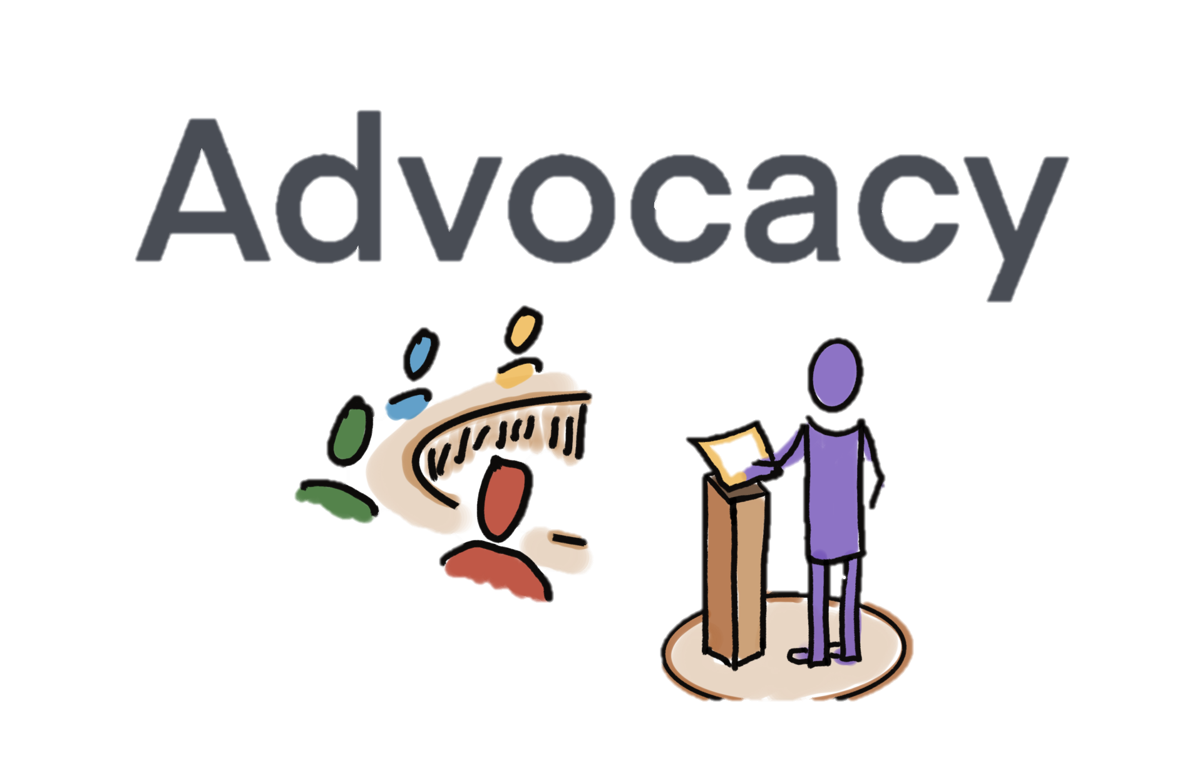
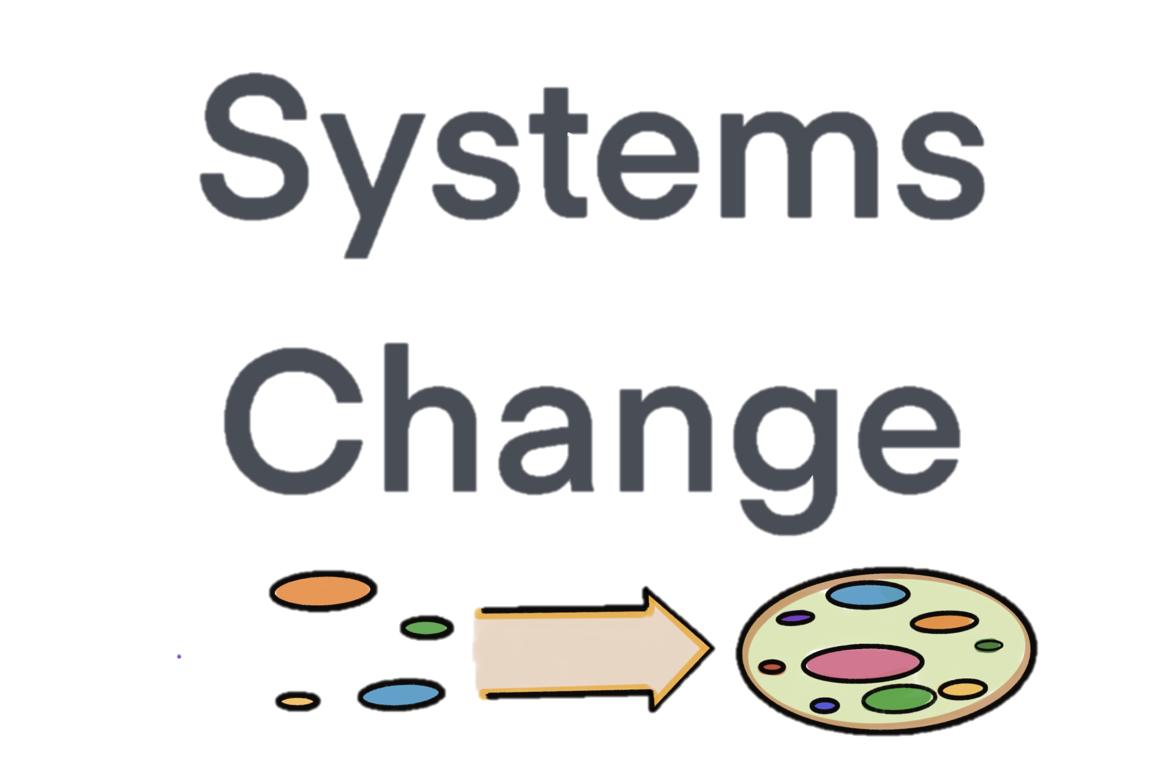
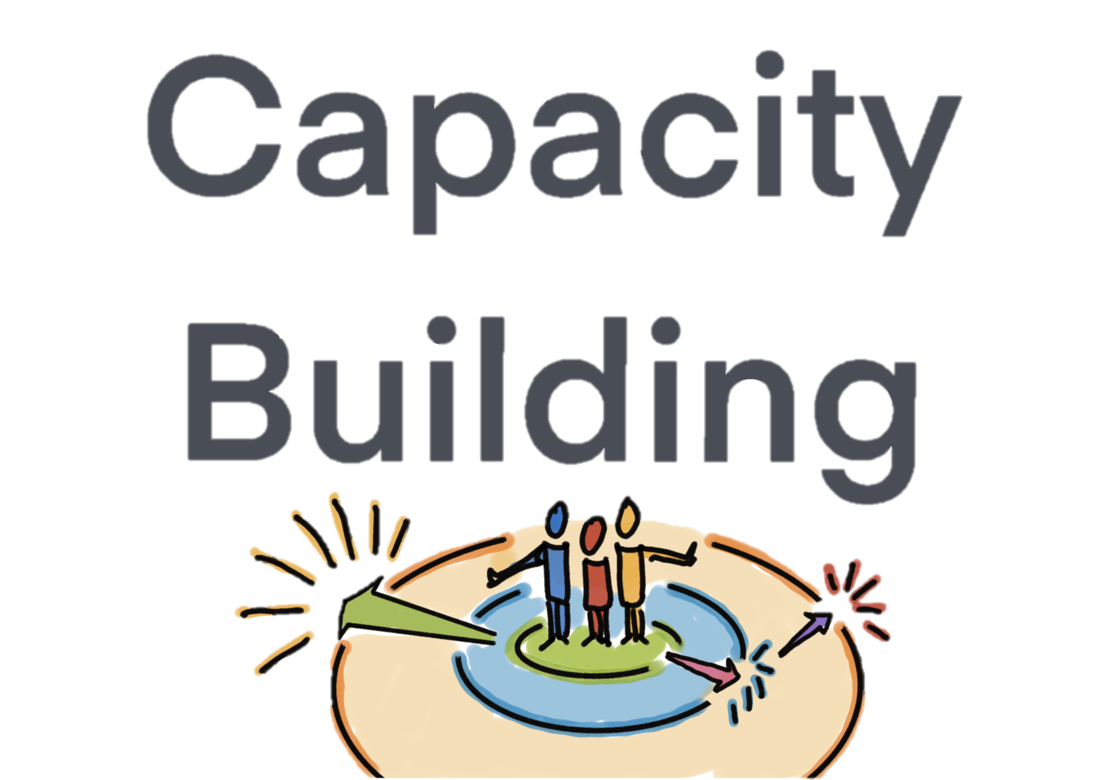
The Council selected its State Plan goals through a comprehensive planning process that included a statewide Community Survey, public comment, community meetings and a Comprehensive Review and Analysis of services, supports and systems affecting people with developmental disabilities and their families.
The Council considered information from people with developmental disabilities, family members, service providers, state agencies, community organizations and others across Washington to identify priority issues and opportunities for systems improvement.
The State Plan covers many issues that affect people with developmental disabilities and their families. Choose a topic to find the objectives connected to that area of work.
The Council will use evaluation throughout the State Plan period as an ongoing tool for learning, accountability and improving its work. Progress will be monitored using both quantitative and qualitative information to understand what is working, identify areas for improvement and guide future decisions.
Mailing Address:
PO Box 48314
Olympia, WA 98504-8314
